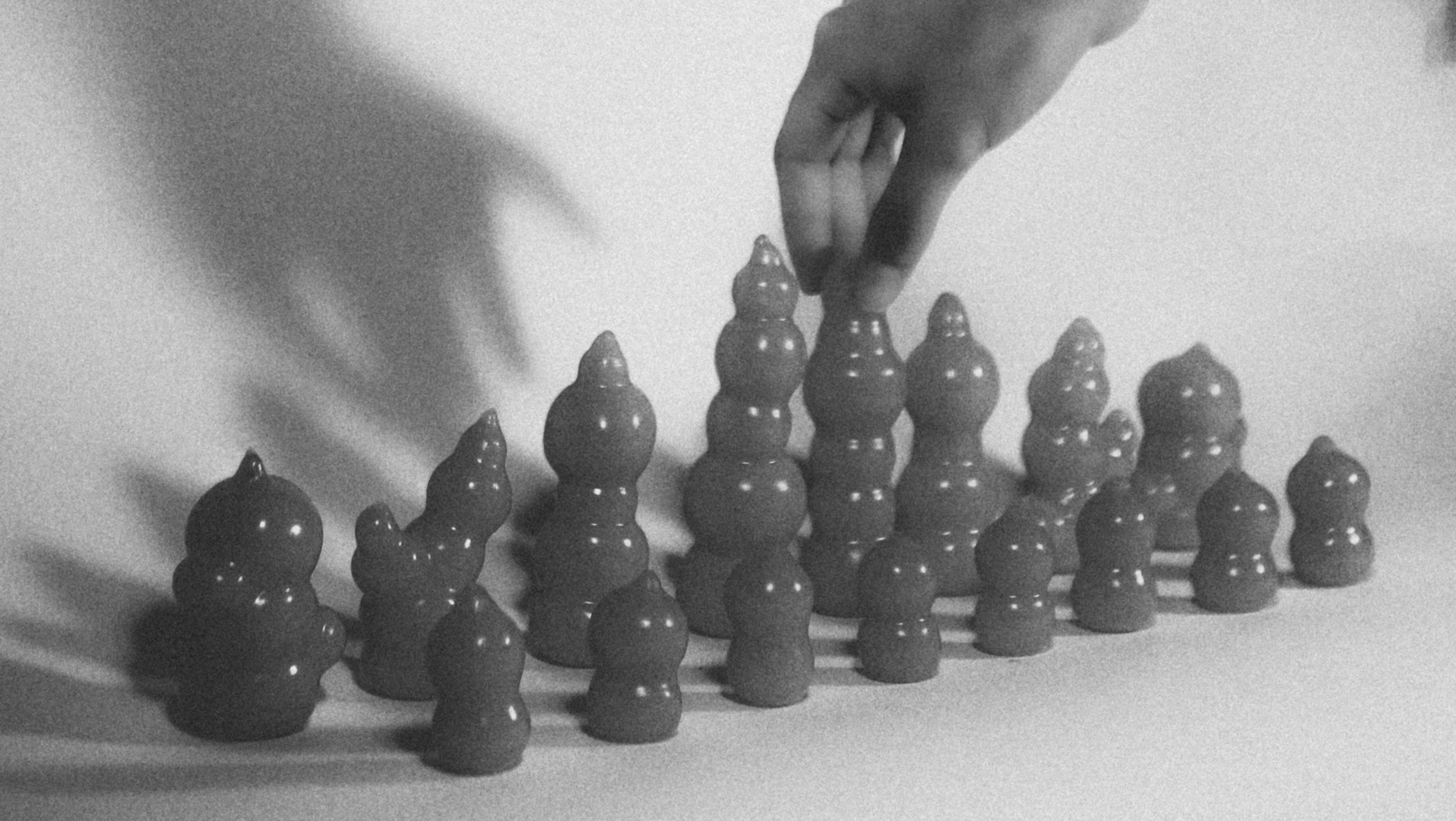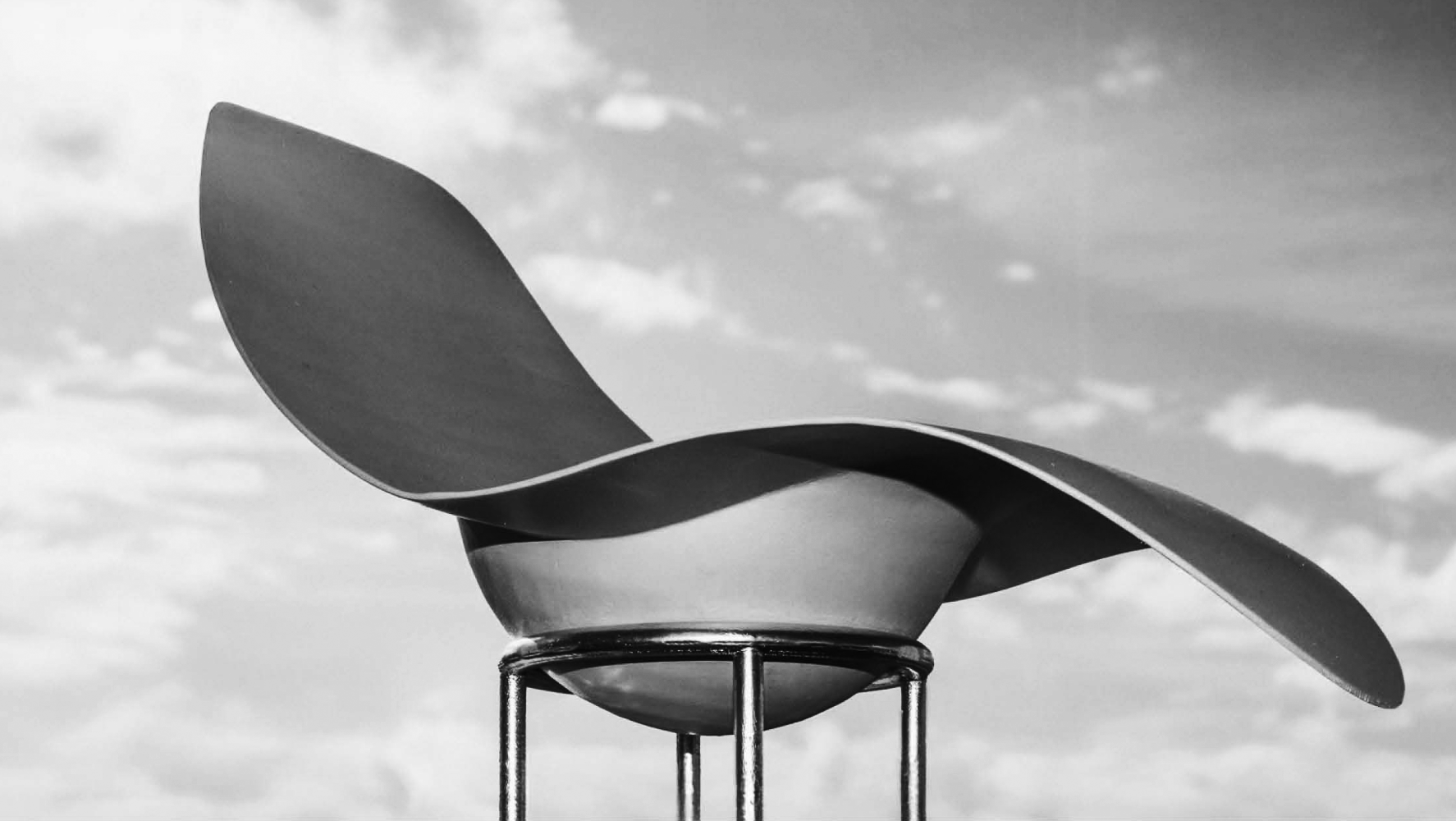


In the present world, nostalgia-driven consumerism has ignited a need to satisfy yearnings for the past, offering consumers just enough to buy but not enough to truly fulfill their cravings. This perpetual cycle has led to a society that consumes based on a constant yearning for the past, leaving it in a state of stagnation in both social and creative mediums. Through a speculative scenario set 20 years in the future, a society forced to live solely in the present emerges, devoid of disturbance from the past or future, as a means to move away from this yearning. This results in a short-term society where memories expire after just two weeks, aimed at eradicating nostalgic thoughts. This short-term lifestyle can be seen in various realms, including the design process. Design no longer prioritizes quality but rather speed, leading to a critique of the decline in well-thought-out design. The rush to think, design, and market lowers the quality of products, generating a society that no longer yearns for the past but instead craves fast innovation. Older generations have grown tired of the perpetual past that has been rained upon them. The incessant need producers have to reel the user in by using the past has started to ignite a stagnation in creativity and societal advancement. Conclusions have been reached that read along the lines of: “No innovation comes from constantly using the past.” Millennials, Gen X and Baby Boomers have all taken radical measures in 2044 to ban nostalgia and its triggers due to the societal negative tone that has been now implicated by older generations, who happen to be the major part of society.